
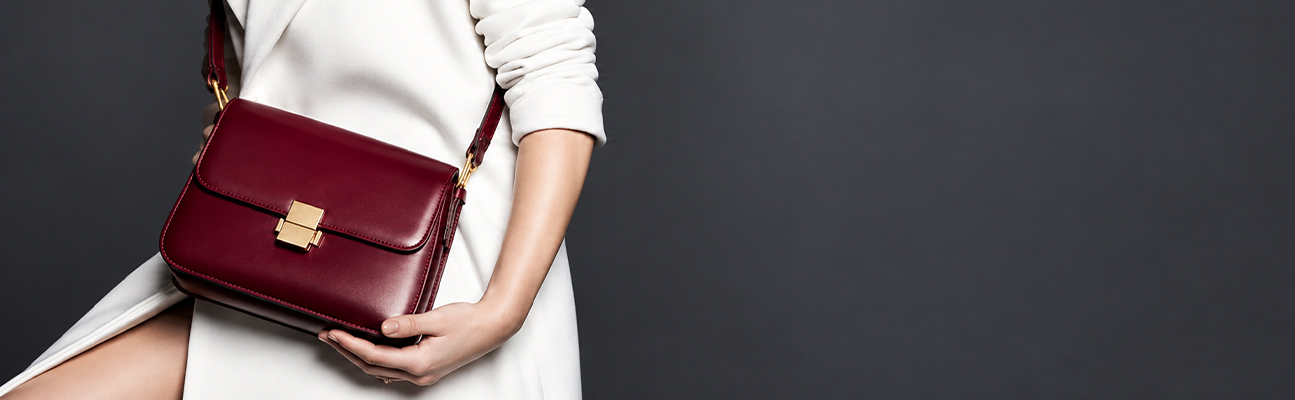
From Tote to Crossbody: Which Handbag Shape Suits Your Plans?
Even a handbag that looks impressive on a shelf, can look completely wrong halfway through your day. It’s not about the color or decoration of the handbag, rather it’s more about the shape of the handbag. When you schedule involves carrying multiple essentials, a roomy tote will always work beautifully.
However, sticking to a compact crossbody is better if movements matters for you.
How much you carry is largely influenced by the shape of the handbag. Besides, you must consider how easily you reach your belongings and how freely you move as well. Choose a bag that is less about appearance and more about finding a shape that actually works with you plan, by understanding these differences.
Why Handbag Shape Deserves More Attention
People often begin handbag shopping by thinking about color, material, or outfit coordination. Shape deserves an equally important place in that decision.
The structure of a handbag determines how items sit inside, how the weight is distributed, and how the bag interacts with your movements. Two bags with similar dimensions can provide noticeably different experiences simply because one is tall and narrow while another is wide and open.
Your plans should therefore influence your choice. Consider what you expect to carry, how long you will be away, whether you will be walking frequently, and how often you need access to your belongings. These practical questions quickly narrow down suitable shapes.
The Tote: When Your Day Requires More
A tote is generally defined by its spacious interior and relatively straightforward construction. Its generous proportions make it useful for days when traveling light simply is not realistic.
A tote can accommodate everyday essentials alongside larger items such as notebooks, small electronics, water bottles, pouches, or an additional clothing layer. Its wide opening can also make packing and retrieving belongings straightforward.
This shape works particularly well for busy schedules involving several activities. If you leave home in the morning and expect to remain out for hours, the extra room can prevent you from juggling multiple smaller bags.
However, space can encourage overpacking. A large tote filled with unnecessary items may become uncomfortable during extended walking. Organization can also become difficult when everything shares one large compartment. Interior pockets or smaller pouches can help solve that problem.
Choose a tote when capacity and flexibility matter more than keeping your load minimal.
The Crossbody: Built Around Movement
A crossbody offers an entirely different experience. Rather than concentrating on maximum capacity, it prioritizes mobility and convenient access.
The strap runs across the body, allowing the bag to remain relatively stable while your hands stay free. This makes the shape particularly useful for walking, browsing shops, commuting, casual outings, or spending long periods moving between locations.
Crossbody bags usually encourage selective packing. There may be enough room for a phone, wallet, keys, sunglasses, and a few personal essentials, but unnecessary extras quickly become noticeable.
That limitation can actually be useful. Instead of carrying items simply because there is available space, you are encouraged to think about what you actually need.
Strap length matters significantly with this style. A bag positioned too low may bounce while walking, while one sitting too high may feel awkward to access. Ideally, the position should allow comfortable movement without making the bag difficult to reach.
The Shoulder Bag: A Flexible Middle Ground
When a tote feels excessive and a small crossbody feels restrictive, a shoulder bag can provide a useful compromise.
Shoulder bags vary considerably in size, but many offer moderate storage without appearing bulky. They can accommodate everyday belongings while maintaining a relatively streamlined silhouette.
Their versatility makes them suitable for plans that may change throughout the day. A shoulder bag can move comfortably from daytime errands to a casual evening setting without feeling particularly tied to either situation.
Access is another advantage. Because the bag sits beneath or near the arm, belongings can often be reached quickly.
The main consideration is weight distribution. Since the load rests predominantly on one shoulder, packing too much can become uncomfortable. This shape generally works better when you want moderate capacity rather than trying to squeeze tote-level contents into a smaller design.
The Satchel: Structure for Organized Plans
A satchel usually offers a more structured shape, often with a defined base, clear compartments, and a protected closure.
That structure can be valuable when organization matters. Instead of belongings shifting around inside a soft bag, items can remain in more predictable positions. Documents, notebooks, electronics, and smaller accessories can therefore be easier to arrange.
Satchels work particularly well for schedules where you want practicality without an overly casual appearance. Their defined construction creates visual order while still offering useful storage.
The trade-off is flexibility. A structured bag cannot expand as easily as a soft tote, so its capacity tends to be less forgiving. If something does not comfortably fit, forcing it inside can distort the shape.
Choose this style when you know what you are carrying and appreciate having everything arranged neatly.
The Bucket Bag: Relaxed Shape With Surprising Space
Bucket bags are recognizable by their rounded or cylindrical bodies and gathered openings. They often look compact from the outside while offering considerable depth inside.
This makes them useful for casual days when you need more than the basics but do not want the broad dimensions of a tote.
Their softer construction allows differently shaped objects to fit relatively easily. However, that flexibility can also make organization challenging. Small belongings may settle at the bottom, particularly when the bag lacks internal divisions.
A bucket bag therefore suits someone who values adaptable storage and does not need every item separated into its own compartment.
The Clutch: For Plans That Require Very Little
Sometimes your plans call for nearly nothing beyond the essentials. This is where a clutch becomes particularly useful.
Its compact dimensions naturally limit what you carry. A phone, cards, keys, and perhaps a few small personal items may be all that fit comfortably.
The result is a clean, uncluttered option suited to dinners, celebrations, short outings, or occasions where carrying a larger bag would feel unnecessary.
The obvious drawback is that many clutches need to be held. If you expect to move frequently or need both hands available, a version with a detachable strap may provide greater flexibility.
Match Capacity to the Length of Your Plans
One of the easiest ways to choose a handbag shape is to consider how long you expect to be away from home.
A short outing may require little more than a compact crossbody. Several hours of errands could justify a shoulder or bucket bag. A full day involving work, travel, or multiple activities might make the capacity of a tote much more useful.
Avoid automatically choosing the largest option available. Extra capacity is only useful when you actually need it.
Start by listing what you expect to carry. Once you know the approximate volume, you can select a shape that accommodates those belongings without leaving excessive unused space.
Think About Access, Not Just Storage
Capacity answers one question: will everything fit? Accessibility answers another: can you reach it when you need it?
Wide-opening totes make larger items easy to retrieve but may allow smaller objects to disappear underneath everything else. Structured satchels can keep belongings organized but may require additional steps to open. Crossbody bags provide quick access but offer less space.
Consider which belongings you reach for repeatedly. Phones, cards, keys, and transport essentials should ideally sit somewhere accessible rather than underneath items you rarely use.
A handbag works better when its internal layout reflects how you actually move through your day.
Let Your Schedule Decide
There is no single handbag shape that works equally well for every plan. The right choice changes according to what your day demands.
For busy days involving numerous belongings, a tote provides valuable capacity. For walking and hands-free movement, a crossbody has obvious advantages. Shoulder bags balance space with versatility, while structured satchels favor organization. Bucket bags offer flexible storage, and clutches keep things intentionally minimal.
Instead of asking which handbag shape looks appealing in isolation, ask what you will be doing while carrying it. Consider your belongings, movements, schedule, and access needs together.
When the shape complements your plans, the handbag quits being something you simply carry. It becomes a practical part of how smoothly your day unfolds.