
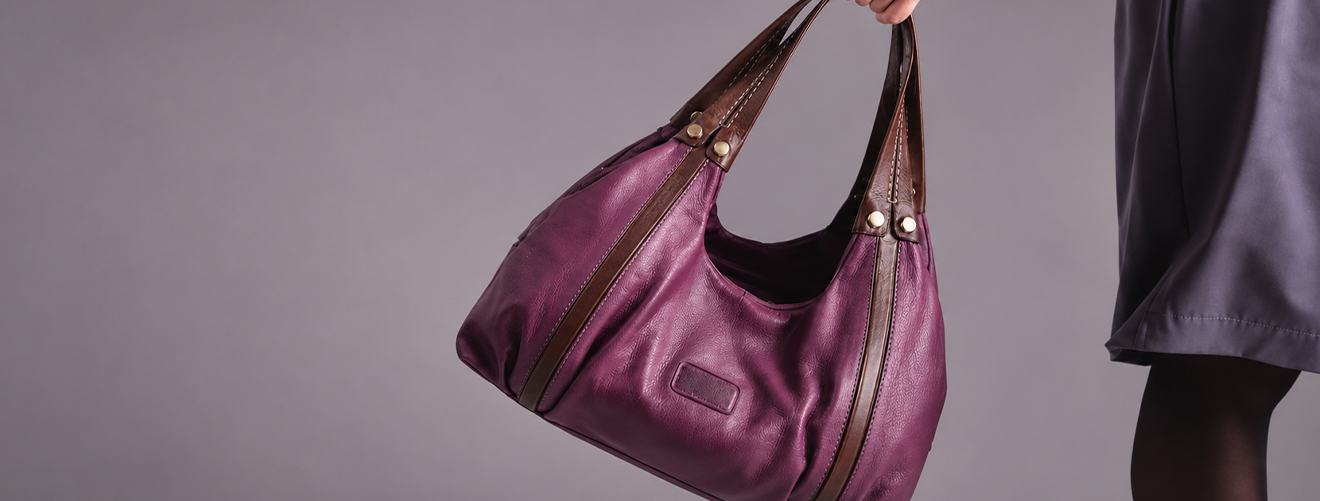
Structured vs. Slouchy Handbags: Which Fits Your Style?
A handbag doesn’t just hold your daily essentials. The entire character of your outfit is influenced by the shape of the handbag. You can get clean lines and visual definition with a firm, structured bag. On the other hand, a soft, slouchy bag introduces movement and a more relaxed appearance.
Neither approach is automatically more stylish than the other. The better choice depends on your wardrobe, daily routine, packing habits, and the impression you want your accessories to create. Understanding the differences between structured and slouchy handbags can help you choose bags that work with your clothes rather than simply looking attractive when viewed on their own.
What Makes a Handbag Structured?
A structured handbag is designed to maintain a relatively defined shape, whether it is empty or filled. Firm materials, reinforced panels, solid bases, and deliberate construction help create this appearance.
Straight edges, clear corners, symmetrical proportions, and stable handles are commonly associated with structured designs. Because the bag holds its silhouette, it tends to introduce visual order into an outfit.
This quality can make structured handbags particularly useful when your clothing contains softer or looser elements. A flowing outfit paired with a sharply defined bag creates contrast, preventing the overall appearance from becoming too relaxed.
Structure also affects practicality. These bags often keep belongings in predictable positions, which can make organization easier. However, their fixed construction means they generally offer less flexibility when you try to fit irregularly shaped or bulky objects inside.
Understanding the Slouchy Handbag
Slouchy handbags take nearly the opposite approach. Instead of maintaining a rigid silhouette, they bend, fold, drape, or change shape according to their contents and how they are carried.
Soft materials and flexible construction give these bags their distinctive appearance. Rather than creating sharp lines, they introduce curves and natural movement.
A slouchy bag may look different when lightly packed compared with when it is full. That adaptability is part of its appeal. It can feel relaxed and effortless while still providing considerable storage.
The flexibility can also make packing easier because the bag may accommodate objects that would not fit comfortably into a rigid design. The downside is that belongings can shift around more easily, particularly when the interior contains few compartments.
Consider the Overall Character of Your Wardrobe
Your existing wardrobe offers one of the strongest clues about which handbag style may suit you.
If you frequently wear tailored pieces, defined silhouettes, crisp fabrics, or simple combinations, a structured handbag can reinforce that visual language. The clear shape of the bag continues the lines already present in your clothing.
However, matching structure with structure is not your only option. A slouchy bag can soften a highly tailored outfit and prevent it from appearing overly formal.
The same principle works in reverse. If your wardrobe contains flowing fabrics, oversized layers, loose trousers, relaxed dresses, or soft textures, a slouchy bag can continue that easygoing feeling. A structured handbag, meanwhile, can introduce definition and create a deliberate contrast.
Think about whether you want your handbag to continue your outfit's mood or balance it with something different.
Structured Bags Can Add Definition
One of the strongest styling advantages of a structured handbag is its ability to create a focal point.
Because the silhouette remains clearly visible, the bag can give an outfit a sense of completion. Even relatively simple clothing can appear more deliberate when paired with an accessory featuring defined proportions.
This can be particularly useful when wearing loose or oversized clothing. Too many relaxed shapes together may sometimes make an outfit appear visually heavy. Introducing a structured bag creates a clear boundary that breaks up those softer lines.
Size matters, though. A very large structured bag can dominate an outfit, while a compact version may add definition without becoming the central feature. Consider the visual weight of your clothing before deciding how much structure you want the handbag to contribute.
Slouchy Bags Bring Movement
Where structured handbags provide definition, slouchy designs contribute movement.
Their flexible silhouettes shift naturally as you walk, sit, or reach for something. This can make an outfit feel less rigid and more relaxed.
Slouchy bags work especially well when you prefer accessories that blend naturally into your clothing rather than appearing highly defined. Their softer edges can complement layered outfits, textured fabrics, casual separates, and flowing silhouettes.
However, relaxed does not have to mean messy. A thoughtfully shaped slouchy bag can still look intentional. Details such as handle placement, proportion, closures, stitching, and material thickness influence how controlled or relaxed the final shape appears.
The key is finding softness that looks deliberate rather than simply lacking form.
Think About What You Carry
Style is only one part of the decision. Your everyday belongings can make one construction significantly more practical than the other.
Structured handbags are useful when you carry objects that you want to keep upright, separated, or easy to locate. Their defined interiors often prevent items from gathering into one pile.
Slouchy bags offer greater flexibility. If your daily belongings change frequently, the adaptable interior can accommodate different combinations of objects. A scarf, small umbrella, pouch, notebook, or other irregularly shaped item may fit more easily when the sides of the bag can expand slightly.
The trade-off is organization. Small objects can disappear underneath larger belongings in a deep, flexible bag. Interior pockets and separate pouches become especially useful in this situation.
Before choosing either style, think about what actually enters your handbag each day.
Your Daily Routine Matters Too
A handbag can suit your wardrobe beautifully and still become frustrating if it does not match your routine.
Structured bags can work well for days that involve organized schedules, work settings, appointments, or situations where you want quick access to neatly arranged belongings.
Slouchy handbags may feel more natural for casual schedules, longer outings, shopping trips, or days when your carrying requirements change as you move between activities.
Closures also deserve attention. A relaxed bag with a wide opening may offer convenient access, but you may prefer a more protected closure when traveling or spending time in crowded environments. Similarly, a structured handbag with multiple fastenings can keep items contained but may require more effort when you frequently reach inside.
Practicality should support your lifestyle rather than compete with it.
Look at Proportion, Not Just Construction
Choosing between structured and slouchy handbags should not happen without considering size and proportion.
A compact structured bag creates a very different effect from an oversized structured tote. Similarly, a small slouchy shoulder bag will behave differently from a large, deeply draped design.
Think about the volume of your clothing. Oversized outfits combined with large slouchy bags can create a lot of visual softness. If that feels excessive, a smaller or more defined handbag can provide balance.
With fitted clothing, a slouchy bag can introduce useful contrast. Alternatively, a structured bag can maintain the clean silhouette.
There are no rigid rules here. Proportion simply helps determine whether the bag supports or overwhelms the rest of your outfit.
You Do Not Have to Choose One Style Forever
Personal style rarely fits neatly into a single category. You may prefer structured bags for certain outfits and slouchy designs for others.
Your choice can change according to your plans, clothing, carrying needs, or even the season. Heavier layered outfits may benefit from one type of silhouette, while lighter clothing may work better with another.
You can also explore handbags that sit somewhere between the maximum and the minimum. Some designs have a firm base but soft sides, allowing them to maintain enough definition while still offering flexibility. Others use structured handles with a relaxed body.
These hybrid designs can be particularly useful if you appreciate elements of both styles.
Which One Fits Your Style?
The easiest way to decide is to consider four factors together: your wardrobe, belongings, routine, and preferred visual effect.
Choose a structured handbag when you appreciate defined lines, organized interiors, and accessories that maintain their shape. Consider a slouchy design when you prefer softness, flexible storage, and a more relaxed silhouette.
More importantly, avoid viewing the decision as a competition between two handbag types. Both can serve different purposes within the same wardrobe.
A handbag feels right when its appearance and function make sense together. Whether you prefer crisp structure, relaxed softness, or something between the two, the strongest choice is the shape that complements how you dress, what you carry, and how you move through your day.